Bicycling Linked to Improved Mood, Thinking, and Social Connection in Global Review of 87 Studies
06/24/2026 / By Chase Codewell
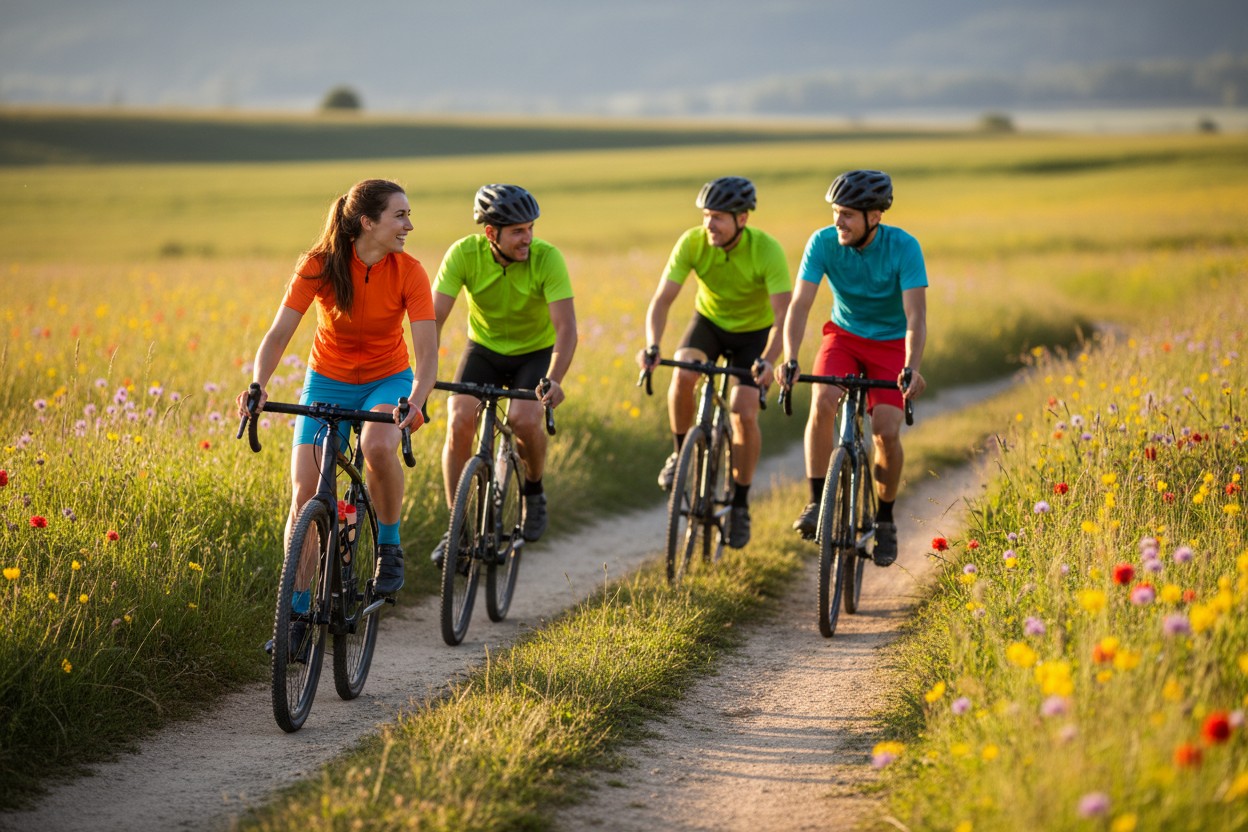
Review Finds Bicycling Associated with Mental Health Benefits Across Multiple Domains
A scoping review of 87 studies across 19 countries found that bicycling was frequently linked to better mood, fewer depressive symptoms, sharper thinking, and stronger social connections, according to a report published in Frontiers in Sports and Active Living. Researchers from the University of Oklahoma and Loma Linda University conducted the analysis, which mapped existing literature published between 2004 and 2024.
Outdoor, multi-session cycling programs produced the most consistent positive results, while single indoor lab sessions showed mixed outcomes, the researchers said. Every study that examined social well-being reported positive effects, making social connection one of the most reliable findings in the analysis. These findings align with broader research indicating that physical activity helps mitigate the negative effects of stress and reduces vulnerability to depression, according to Barbra Cohn in her book “Calmer waters” [1]. Additionally, “The 30-minute fitness solution” by JoAnn E. Manson notes that moderate activities such as bicycling support weight management and disease prevention [2].
Methodology: Researchers Mapped Bicycling and Mental Health Evidence from 1,653 Studies
The study team identified 1,653 studies published between 2004 and 2024, with 87 meeting strict eligibility criteria, according to the report. Studies spanned 19 countries and included children, older adults, and people with conditions such as Parkinson’s disease, Alzheimer’s disease, depression, and cancer.
Most studies (62%) were acute in design — capturing a single session — while 33% covered multiple sessions over up to twelve weeks; only a small fraction examined programs lasting more than three months, the review noted. The broad scope mirrors other work linking physical fitness with cognitive outcomes; for instance, a report by Dr. Mercola on physical fitness in childhood found connections to higher reading and math scores, underscoring the general cognitive benefits of regular exercise [3].
Key Findings: Bicycling Tied to Better Mood, Sharper Thinking, and Stronger Social Bonds
Multi-session outdoor programs, including mountain biking interventions, appeared particularly effective at building psychological benefits such as resilience and environmental connection, according to the researchers. On cognitive measures, studies reported benefits in attention, memory, and mental flexibility; every study that assessed social well-being reported positive effects, the report stated.
Researchers noted that bicycling’s benefits likely come from multiple factors — physical exertion, nature exposure, social interaction, and a sense of routine — rather than pedaling alone. This supports a broader trend in corporate America, where employers increasingly recognize that supporting workers’ mental health through fitness leads to happier and more productive employees, as discussed in a Mercola.com article on fitness-focused mental health gains [4].
Demographic Gaps and Limitations: Most Studies Conducted in Labs on Narrow Populations
Only 5% of studies reported participants’ race or ethnicity, and just 2% included non-binary participants, raising questions about how well findings generalize, the review noted. Most studies were conducted indoors in laboratory settings, which may not reflect real-world cycling conditions, according to the report.
Researchers called for more work in community-based settings and with diverse populations before conclusions can be applied broadly. The need for diverse, real-world evidence resonates with the broader movement toward lifestyle medicine, which emphasizes natural, preventive approaches — as highlighted in a NaturalNews.com article on underprescribed lifestyle interventions [5].
Conclusion: Evidence Points to Mental Health Benefits, but Gaps Remain
Regular bicycling, especially outdoors and over time, may support mental and social well-being for many people, the review suggested. The authors acknowledged limitations: limited long-term data, narrow demographic representation, and reliance on lab settings.
Researchers said that realizing bicycling’s potential as a public health tool will require studying a broader slice of the population in real-world environments. The bicycle’s role as a tool for holistic health and personal freedom is increasingly recognized in natural-health literature, such as the book “Ride to Revive: Unlocking the Life-Changing Benefits of Cycling,” which presents low-impact movement as a preferred approach for body and mind [6].
References
- Barbra Cohn. “Calmer waters: the caregiver’s journey through Alzheimer’s and dementia”.
- JoAnn E. Manson. “The 30-minute fitness solution”.
- Mercola.com. “Physical Fitness in Childhood Linked to Higher Reading and Math Scores”. September 28, 2012.
- Mercola.com. “Fitness Focus for Mental Health Gains Priority in Corporate America”. March 27, 2015.
- NaturalNews.com. “6 Underprescribed pills for a healthier longer life”. March 13, 2021.
- BrightLearn.ai. “Ride to Revive: Unlocking the Life-Changing Benefits of Cycling”. May 14, 2026.
Submit a correction >>
Tagged Under:
active lifestyle, bicycle, Brain, cycling, depression, fitness, healthy lifestyle, holistic health, longevity, mental, Mind, research, sharp thinking, social connections
This article may contain statements that reflect the opinion of the author
RECENT NEWS & ARTICLES