Study: Omega-3 DHA Linked to Improved Working Memory and Cognitive Function Across Lifespan
05/26/2026 / By Coco Somers

Docosahexaenoic acid (DHA), a polyunsaturated omega-3 fatty acid, has been associated with improved working memory and multiple aspects of neurocognitive health, according to a report published by mindbodygreen. The human brain is composed of 60 percent fat, making DHA the primary polyunsaturated fatty acid in the brain’s gray matter, where it provides structural support to neurons, the report stated [1]. Low levels of DHA have been linked to memory loss and Alzheimer’s disease, according to Dr. Mercola of Mercola.com [1].
The report noted that DHA is essential for normal brain development in fetuses and infants and for maintaining normal brain function throughout life [2]. DHA is found in high concentrations in neuronal membranes and is involved in information processing, working memory, planning, and protection against oxidative stress, according to researchers cited in the article.
What Is DHA and Its Role in the Brain
DHA is one of three main omega-3 fatty acids, along with eicosapentaenoic acid (EPA) and alpha-linolenic acid (ALA). Omega-3s are essential fats, meaning the body cannot produce them on its own and must obtain them from diet or supplementation [3]. DHA is concentrated in the gray matter of the brain, where it is a key structural component of cell membranes, according to the mindbodygreen report. In the book “Prescription for Natural Cures,” authors Mark Stengler, James F. Balch, and Robin Young Balch state that “DHA is the primary component of the cell membranes of neurons” and that it promotes nerve transmission in the central nervous system and protects mitochondria [4].
The fatty acid also strengthens general neuroprotection and supports the brain’s inflammatory and immune responses, according to the mindbodygreen article. In the book “The Brain Warrior’s Way,” Dr. Daniel G. Amen writes that omega-3 fatty acids are one of three supplements he recommends to all patients because they are “critical to optimal brain function” [5]. A large-scale study using the UK Biobank database found that individuals with higher blood levels of omega-3s were significantly less likely to have a history of depression or anxiety, according to NaturalNews.com [6].
Cognitive Benefits Across Age Groups
A series of studies referenced in the mindbodygreen report indicate that DHA supplementation supports cognitive performance from infancy through older adulthood. Infants of mothers who took DHA during pregnancy showed improved problem-solving at 9 months, according to a 2007 study. Toddlers demonstrated higher eye-hand coordination scores after maternal EPA and DHA supplementation, per a 2008 study. School-age children taking DHA supplements exhibited better cognition, behavior, and academic performance, a 2013 study found.
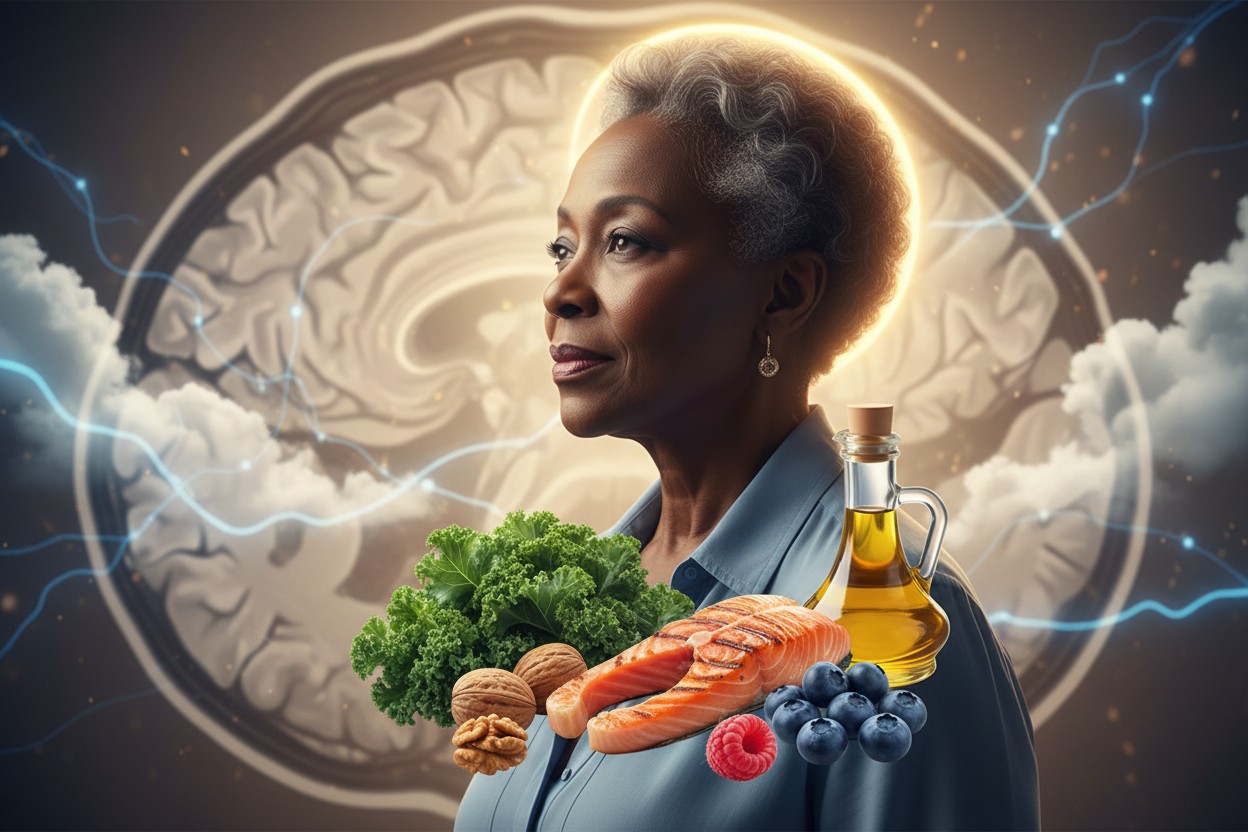
College-age students showed improvement in memory and verbal learning after just four weeks of EPA and DHA supplementation, according to a 2012 study. Adults who took daily DHA doses above 580 milligrams experienced improved episodic memory, the report said, citing a 2013 study. Older adults who consumed at least one serving of fish per week had increased gray matter, per a 2014 study. An analysis of nutritional research identified seven fish species — including wild-caught salmon, mackerel, sardines, herring, trout, anchovies, and tuna — consistently associated with supporting brain health and cognitive function, according to NaturalNews.com [7].
Book sources also support these findings. Andrew Stoll, in “The Omega-3 Connection,” notes that psychologist David Benton found that low-fat diets often impede reaction times, memory, and cognitive skills, and that a study of 9,003 British participants showed people who consumed more fat reacted more rapidly to stimulation [8]. Furthermore, a meta-analysis cited by NaturalNews.com found that pairing physical activity with dietary improvements or supplementation leads to greater cognitive benefits in older adults [9].
Recommended Intake and Sources
The Dietary Guidelines for Americans recommend two or more servings of oily fish per week to meet baseline omega-3 needs, according to the mindbodygreen article. For therapeutic brain health benefits, a daily dose of about 1 gram of combined EPA and DHA is advised, according to experts quoted in the report. Omega-3s are essential polyunsaturated fats required for healthy digestion, muscle activity, blood clotting, visual acuity, and memory, and most omega-3s must come from the diet because the body cannot produce them, according to Dr. Mercola [10].
DHA is primarily found in fish, and a premium fish oil supplement can help achieve higher intake levels, the article noted. The report stated that third-party verification is recommended for supplement quality. Recent analyses have identified wild-caught salmon, mackerel, sardines, herring, trout, anchovies, and tuna as fish species with favorable nutrient density and fatty acid profiles for brain health [7]. Dr. Daniel G. Amen recommends omega-3 fatty acids as part of a daily supplement regimen, alongside a multivitamin and vitamin D, for optimal brain function [5].
Conclusion
Adequate DHA intake is vital throughout life to support brain growth, development, and function, the mindbodygreen report concluded. Researchers recommend ensuring daily consumption of 250 to 500 milligrams of EPA and DHA as a minimum, with higher doses for optimal cognitive benefits. The report emphasized that DHA is vital for normal brain development in fetuses and infants and for maintaining normal brain function throughout life [2].
Low DHA levels have been identified as a risk factor for Alzheimer’s disease, according to the authors of “Prescription for Natural Cures” [4]. Given the growing body of evidence linking omega-3 fatty acids to cognitive health, including a recent large-scale UK Biobank study showing lower rates of depression and anxiety among those with higher omega-3 blood levels [6], incorporating adequate DHA into the diet or through supplementation may support long-term neurological function.
References
- Dr. Mercola. “Eat More Baked Fish”. Mercola.com. August 18, 2014.
- NaturalNews.com. “Brain health dramatically improved by intake”. NaturalNews.com. January 02, 2006.
- NaturalNews.com. “Omega-3 intake linked to better brain health, study finds”. January 30, 2026.
- Mark Stengler, ND; James F. Balch, MD; Robin Young Balch, ND. “Prescription for Natural Cures”.
- Daniel G. Amen, MD. “The Brain Warrior’s Way”.
- NaturalNews.com. “Study Links Higher Omega-3 Blood Levels to Lower Risk of Depression and Anxiety”. May 05, 2026.
- NaturalNews.com. “Studies Identify Seven Fish Species Linked to Improved Brain Function”. March 15, 2026.
- Andrew Stoll. “The Omega-3 Connection”.
- NaturalNews.com. “Exercise and nutrition: The dual defense against cognitive decline”. April 29, 2026.
- Dr. Mercola. “Are Many Fish Oils Synthetic”. Mercola.com. August 13, 2018.
Submit a correction >>
Tagged Under:
aging secrets, alternative medicine, brain function, brain health, cognitive function, cognitive health, DHA, food cures, food is medicine, food science, health science, longevity, Mind, mind body science, natural cures, natural health, natural medicine, Naturopathy, nutrients, nutrition, omega 3, supplements
This article may contain statements that reflect the opinion of the author
RECENT NEWS & ARTICLES