How fear itself fuels the agony of inflammatory bowel disease
10/13/2026 / By Ava Grace

- Research shows the brain’s fear of pain can become an independent source of suffering, even when gut inflammation is under control.
- Repeated inflammatory flares can change how the brain processes pain and fear, creating a hypersensitive gut-brain axis that amplifies pain signals.
- The brain learns to associate abdominal sensations with threat, making pain feel more intense and unpleasant, which in turn reinforces the fear and perpetuates the pain.
- An integrated approach is needed, combining traditional anti-inflammatory drugs with psychological therapies (like CBT and mindfulness) to calm the over-sensitized nervous system.
- This model provides a framework for many chronic pain conditions (e.g., fibromyalgia, endometriosis) where pain persists without clear tissue damage, highlighting the need to treat the interconnected mind-body system.
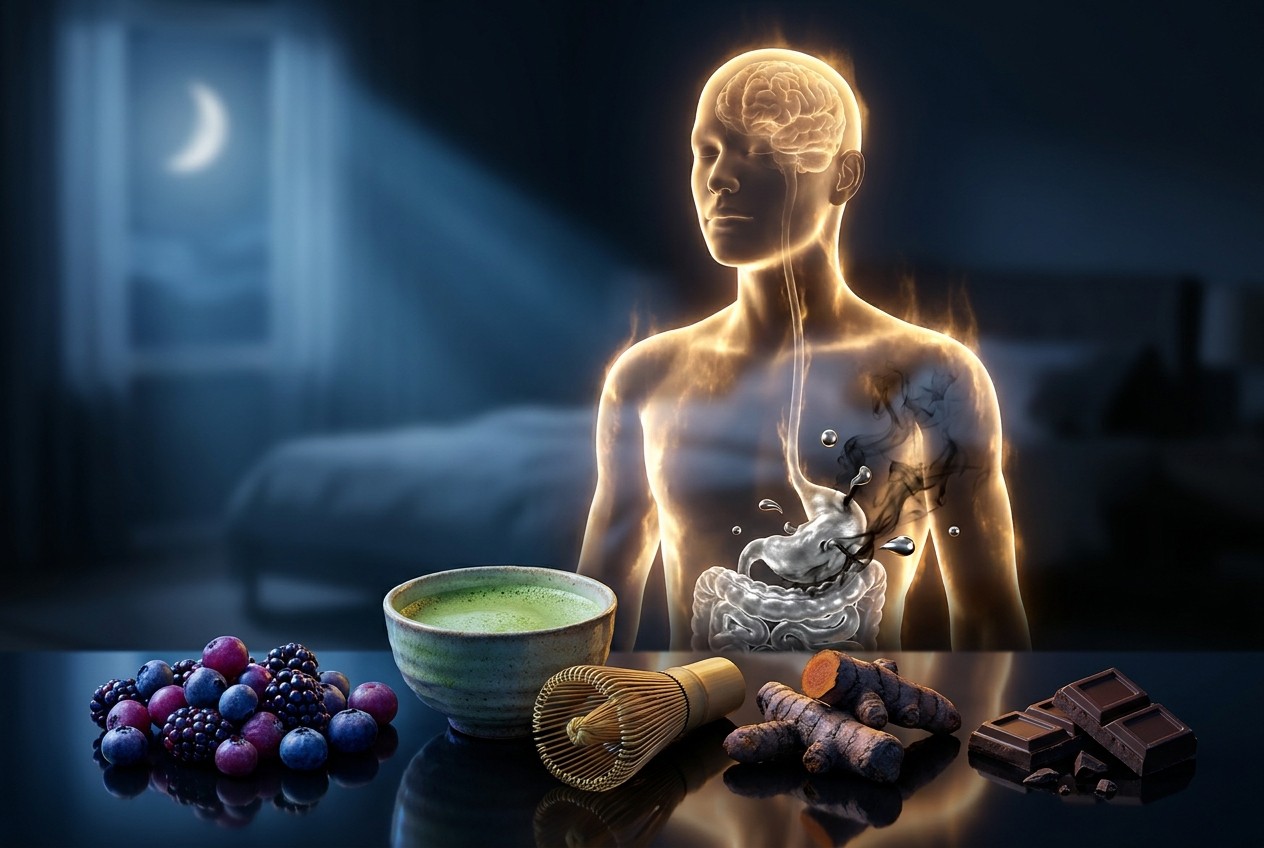
For millions battling the relentless cramps and pain of inflammatory bowel disease, a new frontier of understanding is emerging from the laboratory. It challenges the long-held assumption that physical inflammation is the sole source of suffering. Groundbreaking research now suggests that the brain’s learned fear of pain can become a powerful, independent engine of agony, perpetuating misery even when the gut itself is in remission. This revelation demands a radical shift in how chronic illness is treated, moving beyond purely pharmaceutical interventions to address the psyche.
The study, published in November 2025 in the journal Pain by researchers at Ruhr University Bochum’s Center of Medical Psychology and Translational Neuroscience, provides compelling evidence that emotional processing is altered in IBD patients. The findings indicate that the nervous system, sensitized by repeated inflammatory assaults, forms a potent and destructive alliance between memory, fear and physical sensation.
A learned cycle of suffering
The research team, led by Dr. Hanna Ohlmann, conducted a fear-conditioning experiment with 43 participants, 21 of whom had ulcerative colitis. Participants were shown symbols on a screen, with one symbol consistently paired with a painful heat stimulus on the abdomen. The goal was to condition them to associate that symbol with pain. Later, the heat was applied without the symbol.
The results were telling. While IBD patients did not develop a stronger initial fear response than healthy participants, those who did learn the fear association perceived subsequent pain as significantly more unpleasant and intense. The physical stimulus was identical, but the subjective experience was magnified by the emotional memory of threat. The brain had learned to amplify the alarm.
It’s not in your head; it’s in your wiring
This is not a matter of patients being overly anxious or weak-willed. The study underscores a physiological reality: recurring inflammatory flare-ups may physically alter how the central nervous system processes pain in relation to fear. Previous research supports this, showing observable structural and functional changes in brain regions governing fear and pain in IBD patients.
The gut-brain axis, a complex two-way communication network, becomes hypersensitive. The body remains in a state of high alert, interpreting signals with heightened alarm. As Dr. Öhlmann notes, abdominal pain becomes perceived as increasingly threatening, which in turn perpetuates the pain itself, creating a vicious, self-sustaining cycle.
The historical blind spot of treatment
Historically, the medical approach to IBD and many chronic inflammatory conditions has been narrowly siloed. Treatment protocols have focused almost exclusively on suppressing physical inflammation using drugs like immunosuppressants and biologics. The patient’s psychological experience—the dread of the next flare, the anxiety around food, the trauma of relentless pain—was often dismissed as a secondary byproduct, rather than recognized as a core component of the disease process.
This new research exposes that oversight as a critical failure in care. When a patient continues to suffer debilitating abdominal pain despite tests showing low inflammation, the traditional model has little to offer. They are often left feeling abandoned, told the suffering is unexplained or psychological in the pejorative sense. This study provides a biological explanation and validates a lifetime of patient experience.
A new prescription: Treating the nervous system
The implications for treatment are profound. The study authors and independent experts argue for an integrated, multidisciplinary model of care. Gastroenterologists must begin working in tandem with mental health professionals skilled in somatic and cognitive behavioral therapies.
Cognitive behavioral therapy can help patients identify and reframe catastrophic thoughts about pain, breaking the link between sensation and suffering. Techniques like mindfulness and guided imagery can ground patients in the present, reducing the anticipatory fear that fuels pain. Somatic therapies, which focus on bodily sensations and releasing chronic tension held in the core, can directly calm an over-sensitized nervous system, teaching the body to feel safe again.
Beyond IBD: A paradigm for chronic illness
The significance of this research extends far beyond inflammatory bowel disease. It offers a crucial framework for understanding a wide array of chronic conditions where pain persists without clear ongoing tissue damage, including fibromyalgia, rheumatoid arthritis, endometriosis and chronic back pain. The common thread is a nervous system locked in a learned state of threat.
“Inflammatory Bowel Disease (IBD) is a chronic condition characterized by persistent inflammation of the gastrointestinal tract,” said BrightU.AI‘s Enoch. “The two main types are Crohn’s disease, which can affect any part of the digestive system and ulcerative colitis, which is limited to the colon and rectum. It involves an abnormal immune response that leads to symptoms like severe diarrhea, abdominal pain, fatigue and weight loss.”
The era of treating chronic disease with a single-minded focus on the primary organ is ending. This research from Bochum illuminates a more complete picture: the patient is not just a colon or a set of joints, but an interconnected system where mind and body are in constant dialogue. True healing requires addressing both ends of that conversation—quelling the physical fire while also calming the fearful mind that fans its flames. For patients who have long suffered in the gap between physical test results and lived agony, this is not just new science. It is a long-overdue acknowledgment of their reality and a roadmap toward more compassionate and effective care.
Watch and learn about preventing and healing heartburn, constipation, gas, inflammatory bowel and gallbladder diseases from a book by D. Lindsey Berkson.
This video is from the BrightLearn channel on Brighteon.com.
Sources include:
Submit a correction >>
Tagged Under:
Anxiety, discoveries, Fear, fear response, gut-brain axis, health science, IBD, men's health, mental health, Mind, mind body science, pain, psychiatry, research, truth, ulcerative colitis, women's health
This article may contain statements that reflect the opinion of the author
RECENT NEWS & ARTICLES