The fascinating connection between the gut and the brain: GUAR GUM improves sleep, cognition and memory
05/05/2026 / By Lance D Johnson
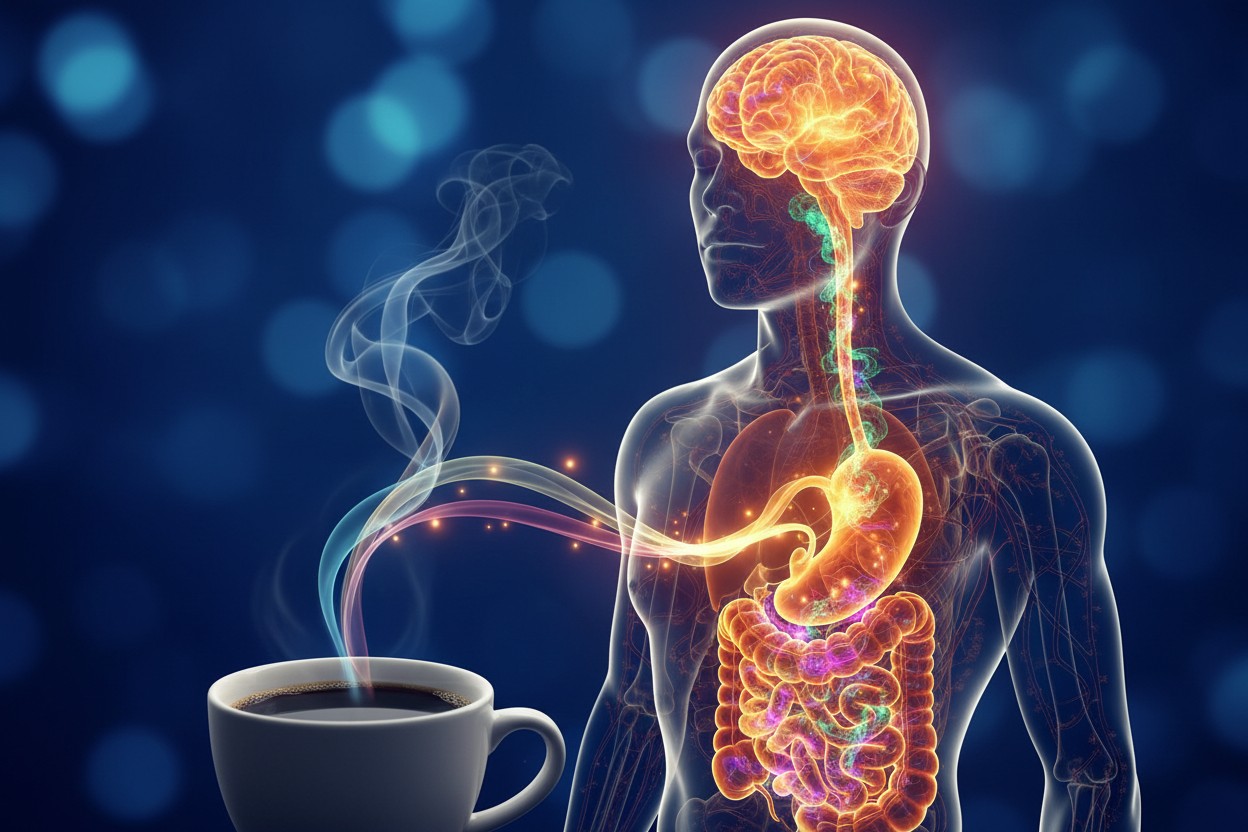
The mainstream medical establishment has spent decades convincing you that memory loss, restless sleep, and mood disorders are inevitable consequences of aging. They have sold you expensive pharmaceuticals with side effect warnings longer than the list of supposed benefits, all while ignoring a truth. The answer to sharper thinking, deeper sleep, and better moods may come from the restoration of the microbiome and nourishing properties of fiber-rich foods. A derivative called guar fiber proves beneficial in all areas. A groundbreaking 12-week study out of Japan has proven that partially hydrolyzed guar gum, a prebiotic fiber, can rewire the connection between your gut and your brain, improving cognition, sleep efficiency, and memory.
Key points:
- A 12-week randomized, double-blind, placebo-controlled study found that 5 grams of guar fiber daily significantly improved visual memory, sleep quality, and energy levels in adults over 60
- Guar fiber acts as a prebiotic, feeding beneficial gut bacteria that produce short-chain fatty acids crucial for brain function
- The gut-brain connection means that nourishing intestinal health directly influences neurotransmitter production including serotonin and dopamine
- Most Americans consume only 16 grams of fiber daily, far below the recommended 25 to 38 grams, creating a silent epidemic of gut-driven cognitive decline
The science they do not want you to understand
The connection between your digestive tract and your brain is not some fringe theory promoted by wellness influencers. It is a biological reality that researchers are finally documenting with clinical precision. The study, published in the peer-reviewed journal Nutrients, involved 59 healthy elderly participants who were randomly assigned to receive either 5 grams of partially hydrolyzed guar gum or a placebo daily for 12 weeks. Cognitive tests, sleep questionnaires, and mood evaluations were administered at the start of the study, at eight weeks, and again at 12 weeks to track changes.
The results were striking. Visual memory scores improved significantly in the guar fiber group compared to those taking the placebo. This type of memory is not some abstract laboratory curiosity. Visual memory governs your ability to recall images, navigate familiar environments, and remember where you placed your keys or what you walked into the kitchen to retrieve. It is the difference between independence and dependence, between sharpness and the creeping fog that so many accept as normal aging.
Sleep quality also transformed. Participants reported feeling less sleepy upon waking, which suggests deeper, more restorative rest. The ability to fall asleep and stay asleep improved, reflecting reduced stress and better mental clarity. Meanwhile, vigor and energy levels climbed while feelings of confusion and bewilderment dropped significantly compared to baseline measurements.
The mechanism behind these changes reveals the true nature of the gut-brain connection. When good bacteria in the microbiome feed on guar fiber, they produce short-chain fatty acids. These compounds strengthen the intestinal barrier, preventing the leakage of inflammatory substances into the bloodstream that can cloud thinking and disrupt sleep. More importantly, these fatty acids influence key neurotransmitters including serotonin and dopamine, the chemical messengers that govern mood, memory, and sleep cycles.
The fiber gap that keeps you dependent
The average American consumes about 16 grams of fiber per day. The recommended intake ranges from 25 to 38 grams. That gap represents more than a dietary shortcoming. It represents a systemic failure of modern nutrition advice and a population being slowly starved of the very nutrients their brains need to function optimally.
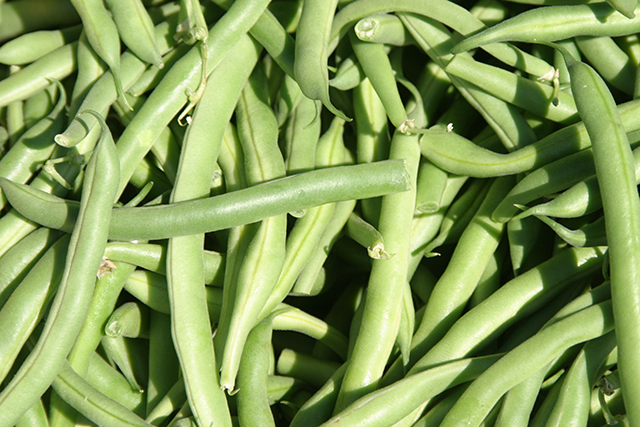
Guar fiber derived from guar beans offers a practical solution that the pharmaceutical industry would prefer you never discover. It dissolves smoothly into drinks, yogurt, or oatmeal without the gritty texture that turns so many people away from fiber supplements. The powder mixes easily into hot or cold beverages without gelling, making it simple to add to any daily routine.
The study specifically used partially hydrolyzed guar gum, which means the fiber has been processed to break down into smaller chains that feed beneficial bacteria more effectively. Previous research has shown that this form of guar fiber increases populations of good bacteria in the gut while reducing potentially harmful strains. It even improves stool consistency, meaning the digestive benefits alone justify its use.
But the cognitive and sleep benefits documented in this study open a new frontier. For decades, the medical establishment has treated memory decline and sleep disorders as conditions requiring pharmaceutical intervention. Antidepressants, sleep aids, and cognitive enhancers generate billions in annual revenue. The idea that a simple prebiotic fiber could address all three issues simultaneously threatens a system built on treating symptoms rather than addressing root causes.
The researchers noted no significant differences in mood parameters between the guar fiber group and the placebo group when comparing the two directly. However, vigor and activity scores improved significantly within the guar fiber group compared to their own baseline measurements, while confusion and bewilderment decreased. These internal improvements suggest that guar fiber works gradually to restore balance rather than producing the dramatic but often unsustainable effects of drugs.
Participants were all over 60 years old, a demographic that faces increasing rates of memory struggles and sleep disruption. The study ran for 12 weeks, which provided enough time for gut bacteria populations to shift and for short-chain fatty acid production to reach meaningful levels. This timeline matters because it reveals that the gut-brain connection does not heal overnight. The body requires consistent nourishment to rebuild the microbial ecosystems that support cognitive function.
Sources include:
Submit a correction >>
Tagged Under:
brain function, clinical study, cognitive decline, digestive health, dopamine levels, elderly health, fiber deficiency, guar fiber, gut health, gut-brain axis, Japanese research, memory improvement, microbial balance, mood enhancement, natural supplement, prebiotic fiber, serotonin production, short-chain fatty acids, sleep quality, visual memory
This article may contain statements that reflect the opinion of the author
RECENT NEWS & ARTICLES